

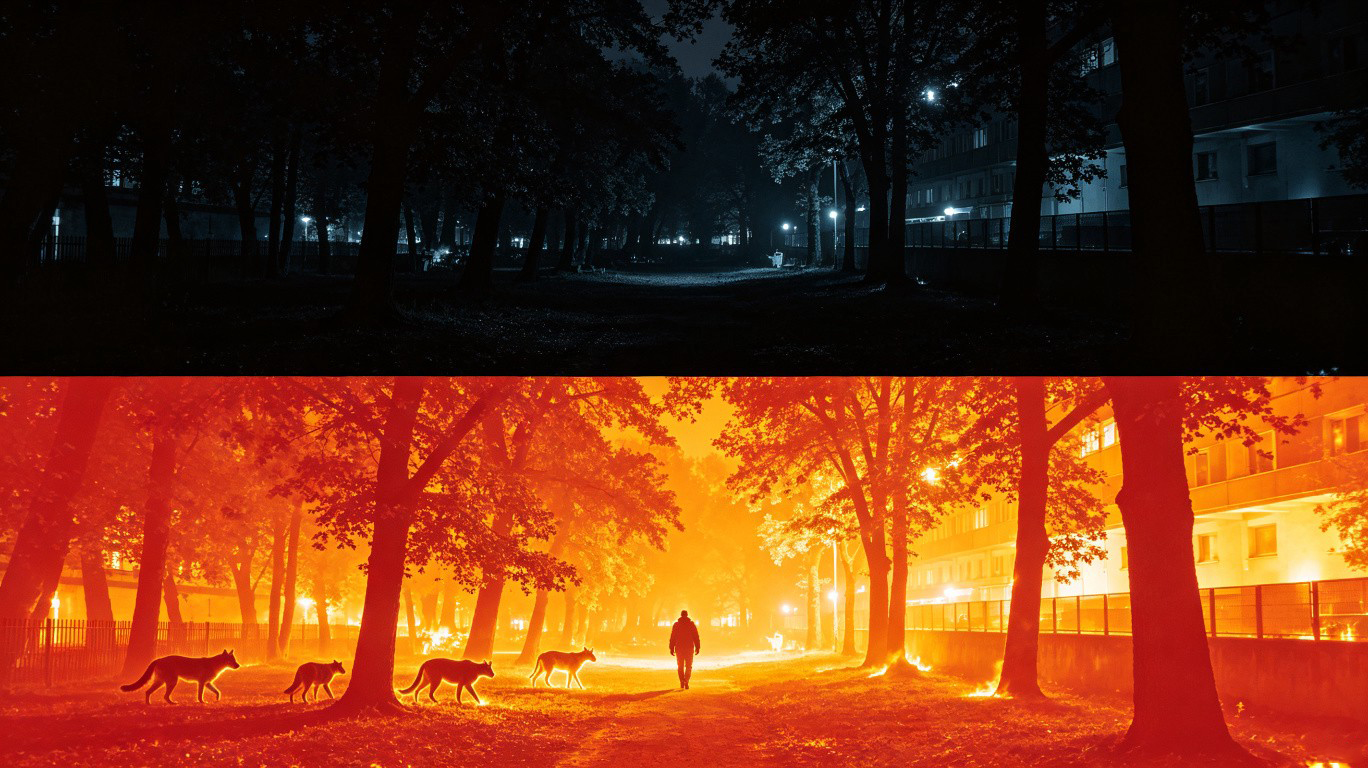
Figure 1: Thermal cameras reveal the invisible world of heat around us.
What Is a Thermal Camera?
Imagine standing in complete darkness. No streetlights. No moonlight. Nothing but blackness in every direction. Yet somehow, you can still "see" everything around you — not because there's light, but because everything is giving off heat.
That's exactly what a thermal camera does. Unlike a regular camera that captures visible light reflecting off objects, a thermal camera is a non-contact device that detects infrared energy (heat) and converts it into a visible image. It doesn't need light to work. It doesn't need the sun. It only needs temperature differences.
To understand how this works, you first need to know that heat and light are both parts of the same electromagnetic spectrum. Your eyes can only see a tiny slice of that spectrum — the visible light portion. But objects around you are constantly emitting infrared radiation, a type of energy invisible to the human eye but perfectly detectable by the right sensor. A thermal imaging camera is essentially an eye that can see this invisible world.
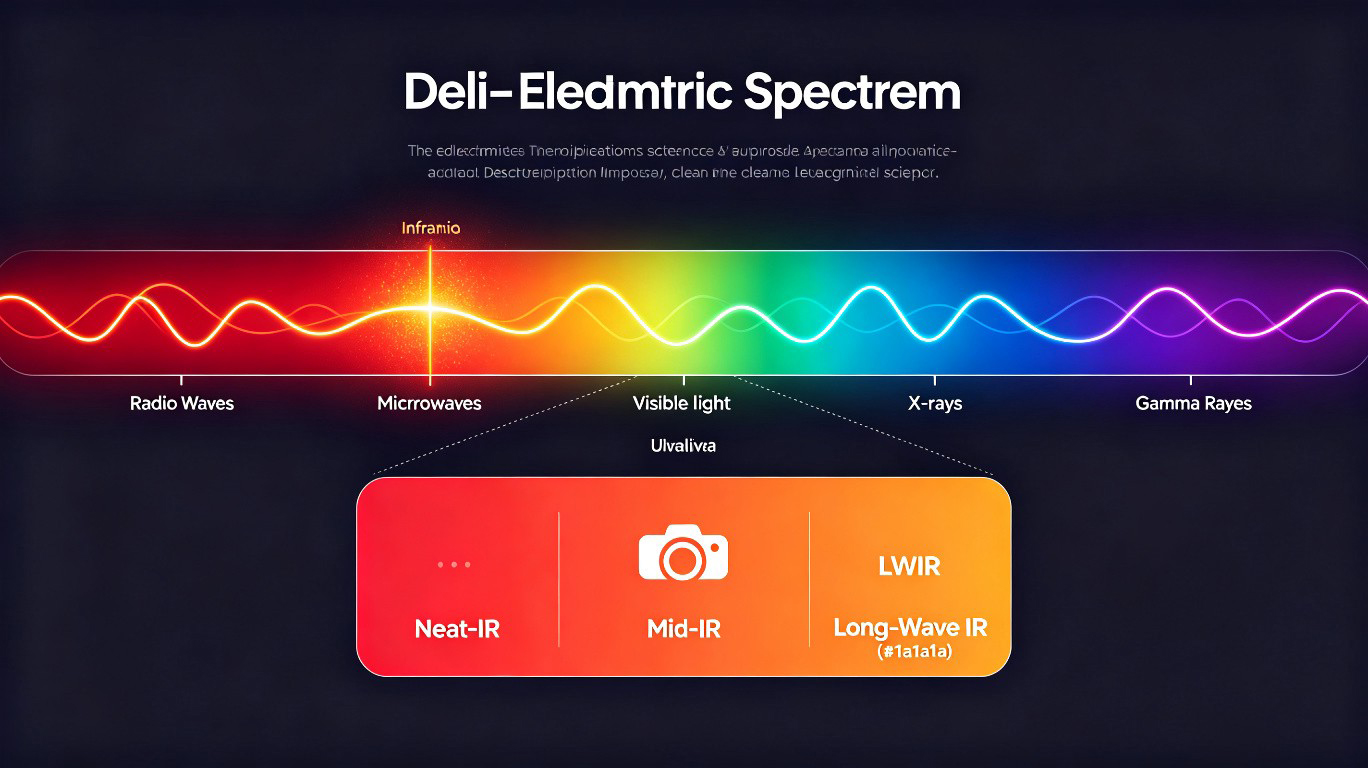
Figure 2: The electromagnetic spectrum — thermal cameras detect infrared wavelengths beyond visible light.
How Thermal Cameras Detect Heat (The Science Behind It)
Every object you encounter in daily life emits thermal radiation — even a block of ice. The warmer an object is, the more infrared radiation it releases. This released energy is what we call a heat signature. If two objects sitting side by side have even a tiny difference in their heat signatures, a thermal sensor will spot that difference instantly — regardless of lighting conditions.
Here's where the magic happens. When infrared waves strike the thermal sensor inside the camera, the sensor converts that energy into electrical signals. Those signals are then processed by the camera's electronics and rendered as an image. Brighter or differently colored areas represent hotter temperatures; darker areas represent cooler ones.
The precision is remarkable. High-quality thermal cameras built with advanced thermal imaging core modules can detect temperature differences as small as 0.01°C. That level of sensitivity is what makes thermal technology invaluable for applications ranging from medical screening to industrial inspection.
It's also worth noting that thermal cameras operate in the Long-Wave Infrared (LWIR) range, typically between 8 to 14 micrometers. This wavelength band is where the thermal radiation from everyday objects is strongest, making it the ideal window for heat detection.
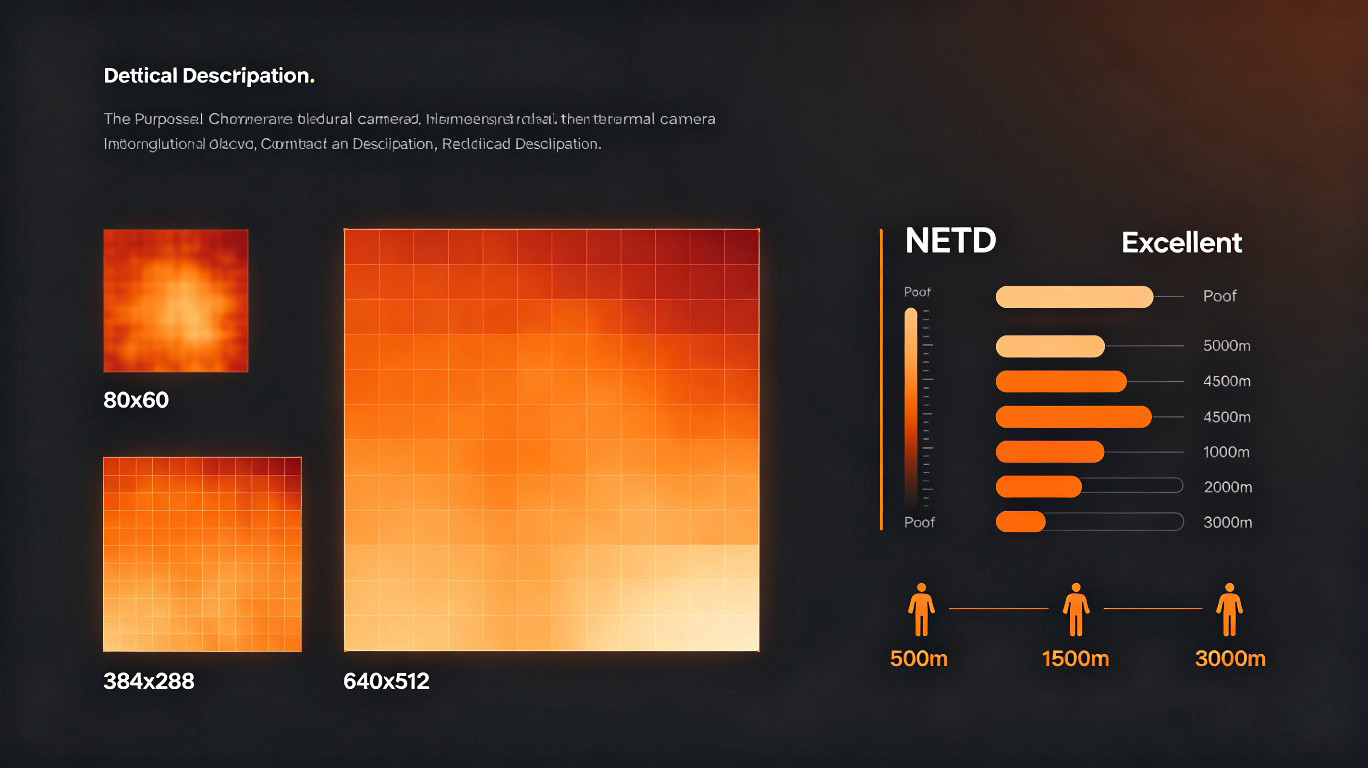
Figure 3: Thermal resolution and sensitivity determine how clearly you can distinguish temperature differences.
What's Inside a Thermal Camera?
A thermal camera might seem like magic, but it's actually a carefully engineered system with just four main components. Understanding what's inside helps you appreciate why some cameras cost a few hundred dollars while professional-grade systems run into the thousands.
1. The Lens
The lens on a thermal camera isn't made of glass like your smartphone camera. Instead, it's crafted from special materials like germanium or zinc selenide that can focus infrared energy rather than visible light. Its job is simple but critical: gather as much infrared radiation as possible and direct it onto the sensor.
2. The Thermal Sensor (Detector)
This is the heart of the camera. The sensor contains thousands of tiny detector elements arranged in a grid — what we call resolution. Common configurations range from 80×60 pixels up to 1280×1024 pixels. Each pixel is essentially a microbolometer, a minuscule device that changes its electrical resistance when heated by infrared energy. The more pixels, the sharper and more detailed your thermal image will be.
Because thermal detectors must sense wavelengths much larger than visible light, each sensing element needs to be significantly bigger than those in a standard camera sensor. That's why a thermal camera with the same physical sensor size as a regular camera will have far lower resolution — but each pixel carries far more meaningful data about temperature.
3. Processing Electronics
Behind the sensor sits a powerful signal processor. It reads the resistance changes from every microbolometer, converts them into temperature values, applies calibration corrections, and finally builds the image you see on screen. Modern processors can do this 30 to 60 times per second, giving you smooth real-time thermal video.
4. Housing & Display
The outer shell protects the sensitive internal components from shock, dust, and moisture. Most thermal cameras also include a display screen — anything from a small built-in LCD to a high-resolution OLED viewfinder — so you can see the thermal world in real time.
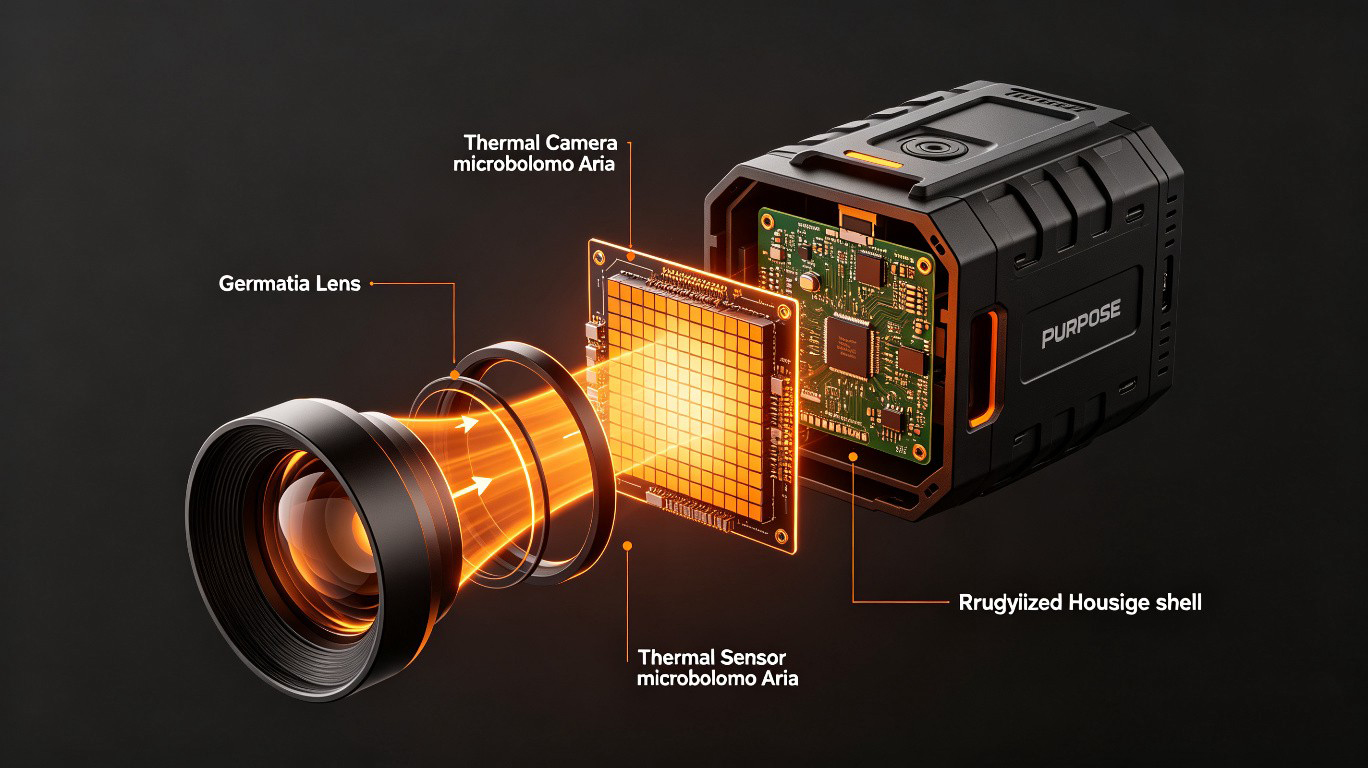
Figure 4: The four core components that make every thermal camera work.
What Can Thermal Cameras See?
This is where many beginners get surprised. Thermal cameras don't just see "hot things." They see everything — because everything emits some level of infrared energy. A thermal camera can detect:
- Subtle temperature differences as small as 0.01°C
- Objects in total darkness, including moonless nights and closed rooms
- Targets through smoke, fog, and light foliage that would block visible light
- Hidden issues like water leaks, electrical hotspots, and insulation gaps
The image is typically displayed using color palettes. The most common are White Hot (hotter objects appear white, cooler ones black) and Ironbow (a rainbow gradient from black through red, orange, and yellow to white). These palettes don't change the data — they just help your brain interpret temperatures more intuitively.
However, thermal cameras do have limitations. They cannot see through walls (a common myth). Solid materials like concrete, brick, and metal block infrared radiation. What a thermal camera can do is detect temperature differences on a wall's surface — which is incredibly useful for finding insulation gaps or moisture intrusion, but it's not X-ray vision.
Similarly, while thermal cameras work brilliantly in fog and smoke (because they don't rely on visible light), very thick smoke or certain glass types can attenuate the infrared signal and reduce image clarity.
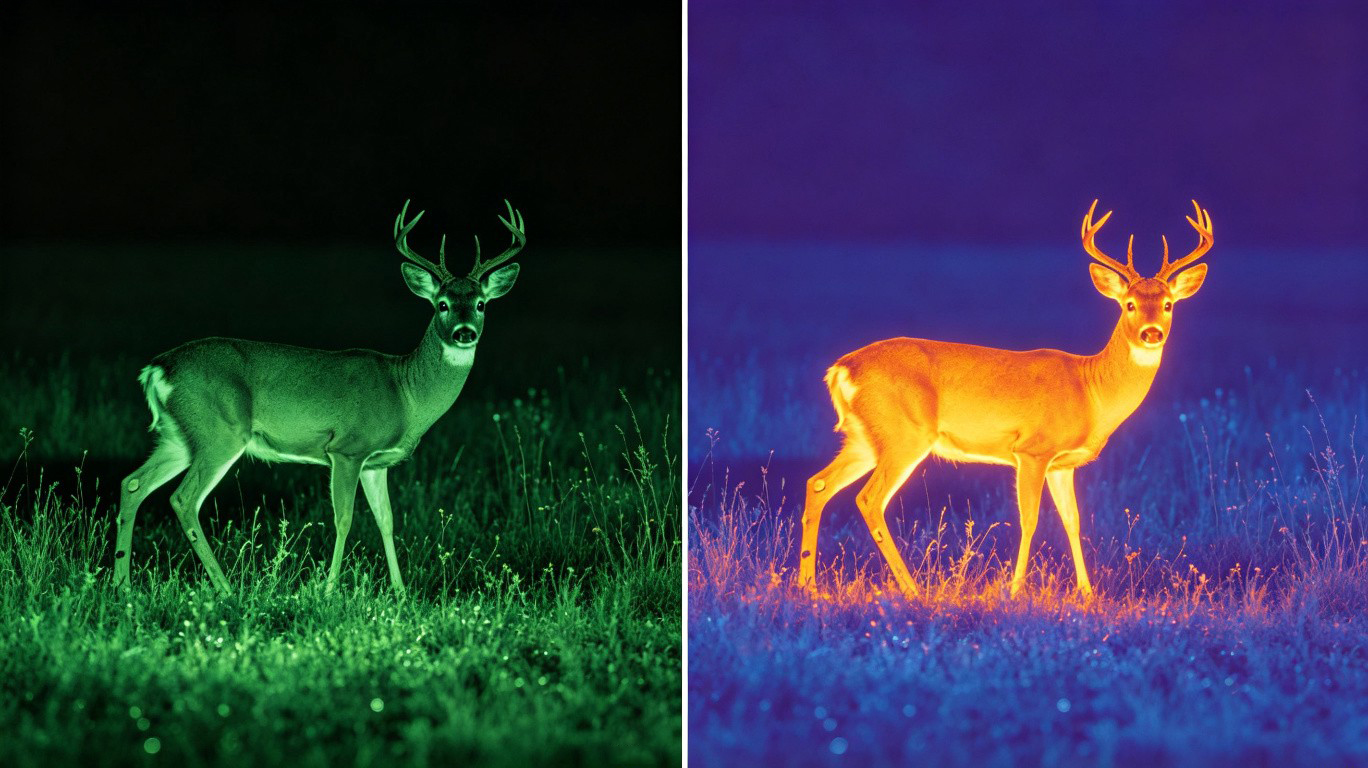
Figure 5: Thermal imaging reveals heat signatures; night vision amplifies existing light.
Thermal Camera vs Night Vision: What's the Difference?
Infrared imaging and night vision are not the same thing — and understanding the difference is crucial when choosing equipment for your needs.
Night vision devices (also called image intensifiers) work by amplifying tiny amounts of visible light — starlight, moonlight, or ambient city glow. They make dark scenes brighter, but they still need some light to function. In a completely sealed dark room with zero light, a night vision device is essentially blind.
Thermal cameras, on the other hand, don't care about light at all. They detect heat. Whether it's high noon or the middle of a moonless night in a cave, a thermal camera performs exactly the same. It doesn't "see" light — it "feels" temperature and turns that data into an image.
| Feature | Thermal Camera | Night Vision |
|---|---|---|
| How it works | Detects infrared heat radiation | Amplifies visible light |
| Needs light? | No — works in total darkness | Yes — needs some ambient light |
| Smoke / fog performance | Excellent — penetrates light obstruction | Poor — blocked by particles |
| Can see through walls? | No — detects surface temperature only | No |
| Image detail | Shows heat patterns and shapes | Shows detailed visible textures |
| Best use case | Detection, surveillance, hunting in darkness | Navigation, identification in low light |
For many professionals, the ideal setup is actually both technologies combined — thermal for detection and night vision for positive identification. Owlshine offers a range of thermal scopes for hunting and thermal imaging cameras designed for different operating conditions.
Common Applications of Thermal Imaging
Thermal imaging started as a military and surveillance technology, but today it touches nearly every industry. Here are some of the most impactful applications:
Building Inspection & Energy Audits
Inspectors use thermal cameras for building inspection to find insulation gaps, moisture intrusion, plumbing leaks, and HVAC inefficiencies — all without tearing down walls. A quick scan can reveal problems that would otherwise go undetected for years.
Electrical & Industrial Maintenance
Overloaded circuits, loose connections, and failing bearings all produce excess heat before they fail completely. Thermal imaging enables predictive maintenance — catching problems before they cause downtime or fires. Power grid operators, factory managers, and facility engineers rely on thermal cameras daily.
Firefighting & Search and Rescue
In smoke-filled buildings, firefighters use thermal cameras to locate trapped victims, identify fire hotspots behind walls, and navigate safely through zero-visibility environments. Search and rescue teams deploy thermal drones to scan vast wilderness areas for missing persons.
Security & Surveillance
Thermal security cameras don't need floodlights, making them ideal for covert perimeter protection. They can detect intruders through fog, rain, and light foliage where standard cameras would fail. Border security, critical infrastructure, and private estates all benefit from thermal surveillance.
Hunting & Outdoor Observation
Hunters use thermal scopes to track game in total darkness, scan fields for predators, and recover downed animals. Unlike night vision, thermal doesn't spook wildlife with visible IR illuminators, and it works even on the darkest nights.
Autonomous Vehicles & Drones
Self-driving cars and drones integrate thermal sensors to detect pedestrians, animals, and obstacles in conditions where visible-light cameras and LiDAR struggle — such as nighttime driving, sun glare, or foggy weather.
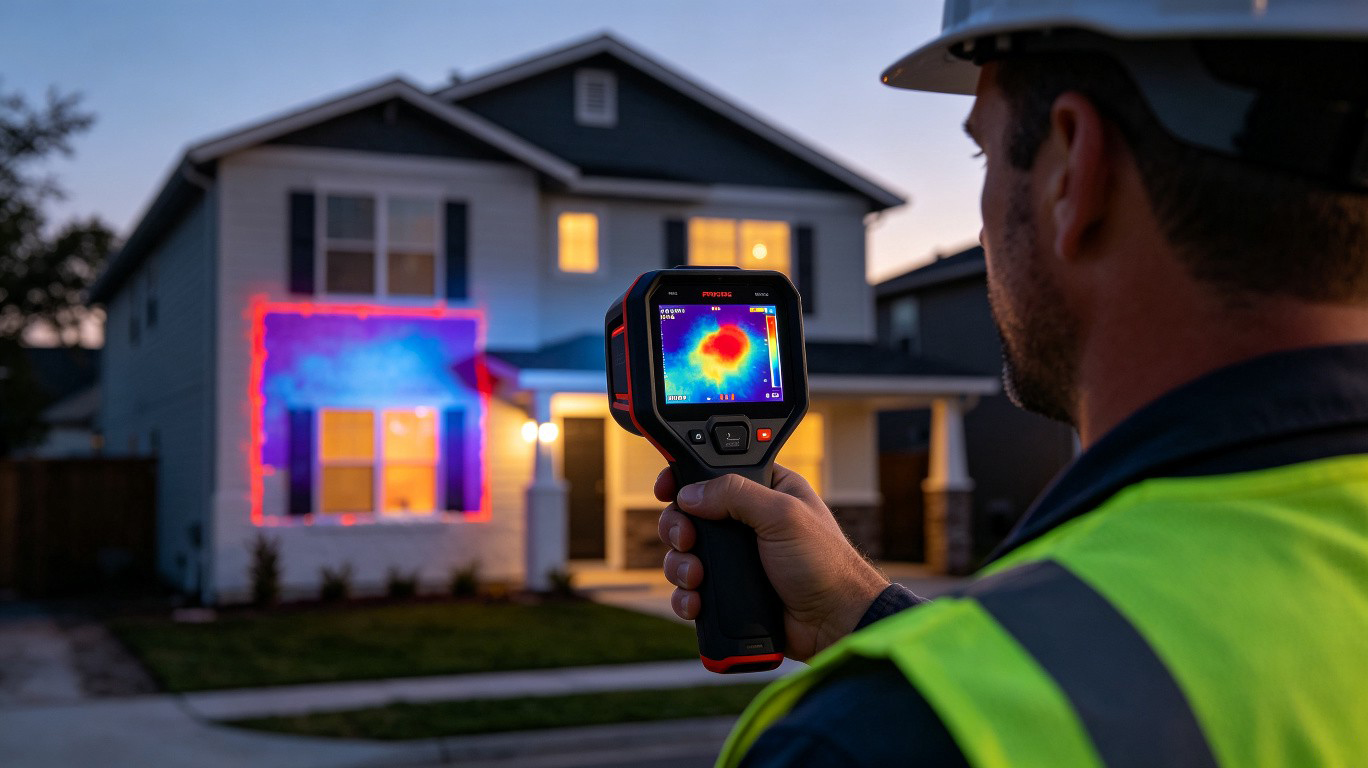
Figure 6: Thermal imaging makes building inspections faster, safer, and non-destructive.
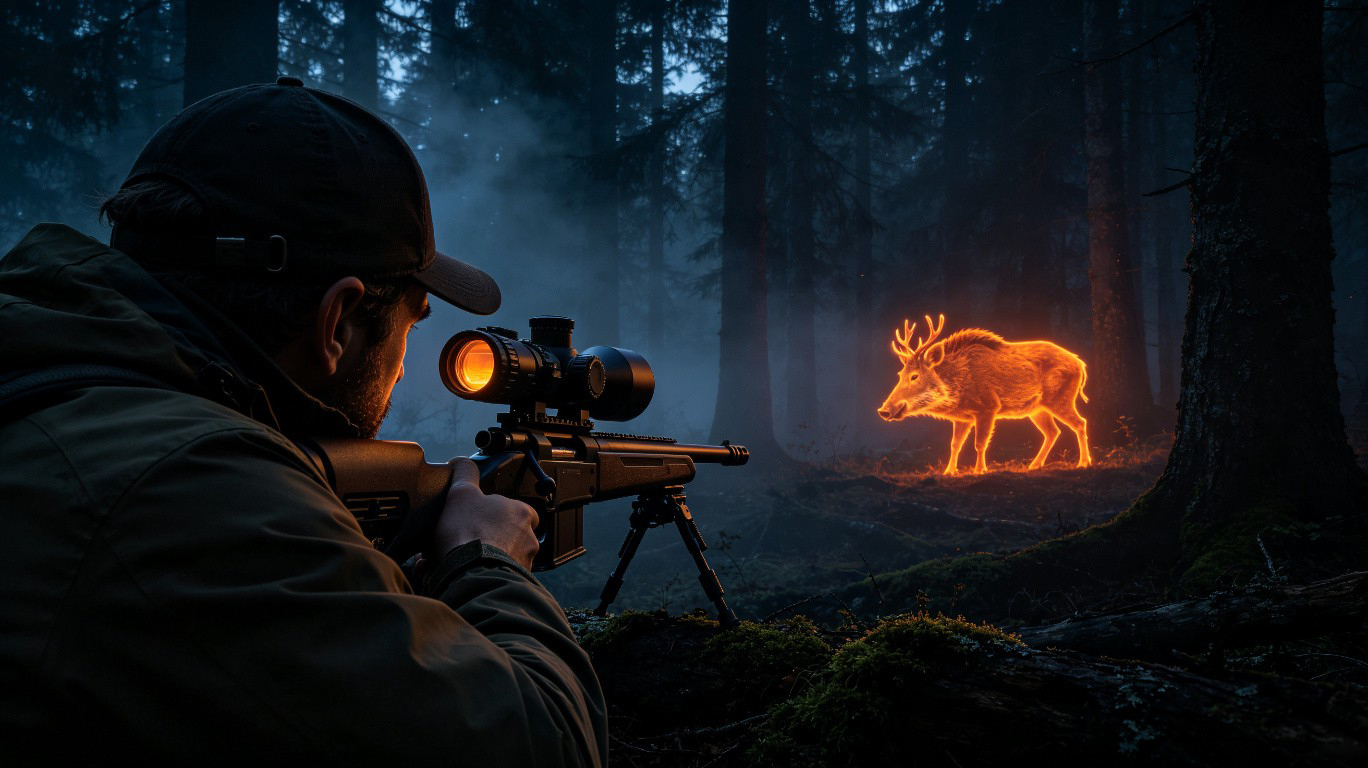
Figure 7: Thermal scopes give hunters a decisive advantage after sunset.
Key Specifications to Know
When evaluating a thermal camera or thermal imaging core module, these are the critical specifications that determine performance:
| Specification | What It Means | Typical Range |
|---|---|---|
| Resolution | Number of detector pixels (e.g., 384×288, 640×512) | 80×60 to 1280×1024 |
| NETD (Noise Equivalent Temperature Difference) | Minimum detectable temperature difference; lower is better | <20mK to <50mK |
| Field of View (FOV) | Angular width of the scene the camera can see | 7° to 50° |
| Frame Rate | How many images per second the camera produces | 9Hz to 60Hz |
| Spectral Range | Wavelength band the sensor responds to | 8–14 μm (LWIR) |
| Detection Range | Maximum distance at which a human-sized target can be detected | 500m to 3,000m+ |
Higher resolution means sharper images and better target identification at distance. Lower NETD means the camera can distinguish smaller temperature differences, producing cleaner images in low-contrast environments. For most hunting and outdoor applications, 384×288 resolution provides excellent value, while 640×512 is the professional standard for long-range detection.
Frequently Asked Questions
Can thermal cameras see through walls?
No. Thermal cameras cannot see through solid walls, concrete, brick, or metal. They detect the infrared radiation emitted from surfaces. What they can do is identify temperature differences on a wall's surface — which helps reveal insulation gaps, moisture, or electrical hotspots behind the surface, but this is surface temperature detection, not X-ray vision.
Do thermal cameras work in daylight?
Yes. Thermal cameras work equally well in daylight and total darkness because they detect heat, not visible light. In fact, bright sunlight can sometimes create glare or overheating issues for visible-light cameras, while thermal cameras remain unaffected.
What's the difference between a thermal camera and an infrared camera?
In everyday language, people often use these terms interchangeably. Technically, "infrared camera" can refer to cameras that capture near-infrared (NIR) light — just outside the visible spectrum — often used in night vision or photography. A "thermal camera" specifically refers to Long-Wave Infrared (LWIR) cameras that detect heat radiation. When shopping for equipment, always check the wavelength range to confirm you're getting true thermal imaging.
How far can a thermal camera detect heat?
Detection range depends on resolution, lens focal length, and target size. A typical handheld thermal camera can detect a human-sized target at 500 to 1,500 meters. High-end thermal scopes and surveillance systems with 640×512 resolution and long-focus lenses can extend that range to 3,000 meters or more.
Why are thermal cameras lower resolution than regular cameras?
Thermal sensors need to detect much longer wavelengths than visible light sensors. Each detector element (pixel) must be physically larger to capture these wavelengths effectively. As a result, a thermal sensor of the same physical size as a smartphone camera sensor will have far fewer pixels. A 640×512 thermal sensor is considered high resolution, whereas 12-megapixel sensors are standard in visible-light cameras.
Can thermal cameras detect cold objects?
Yes. "Cold" is relative. Even ice at 0°C emits infrared radiation. A thermal camera detects temperature differences, not absolute heat. As long as an object has a different temperature than its surroundings, the camera will show it — whether it's hotter or colder.
Do thermal cameras need light to work?
No. This is one of the biggest advantages of thermal imaging. Because thermal cameras detect heat rather than light, they work in complete darkness, inside unlit buildings, underground, and in conditions where visible-light cameras are useless.
Ready to Explore the World of Thermal Imaging?
Now that you understand how thermal cameras work, you're ready to choose the right equipment for your application. Whether you're a hunter looking for a reliable thermal scope, an inspector needing a professional thermal imaging camera, or an OEM developer searching for a high-performance thermal imaging core module, Owlshine has you covered.
Our LWIR thermal imaging modules and cameras are engineered with industry-leading sensitivity, rugged reliability, and the resolution you need to see clearly — even in the darkest conditions.
Browse Thermal CamerasKeywords: how do thermal cameras work thermal imaging working principle infrared camera thermal vs night vision LWIR thermal imaging thermal sensor heat signature electromagnetic spectrum microbolometer thermal camera applications